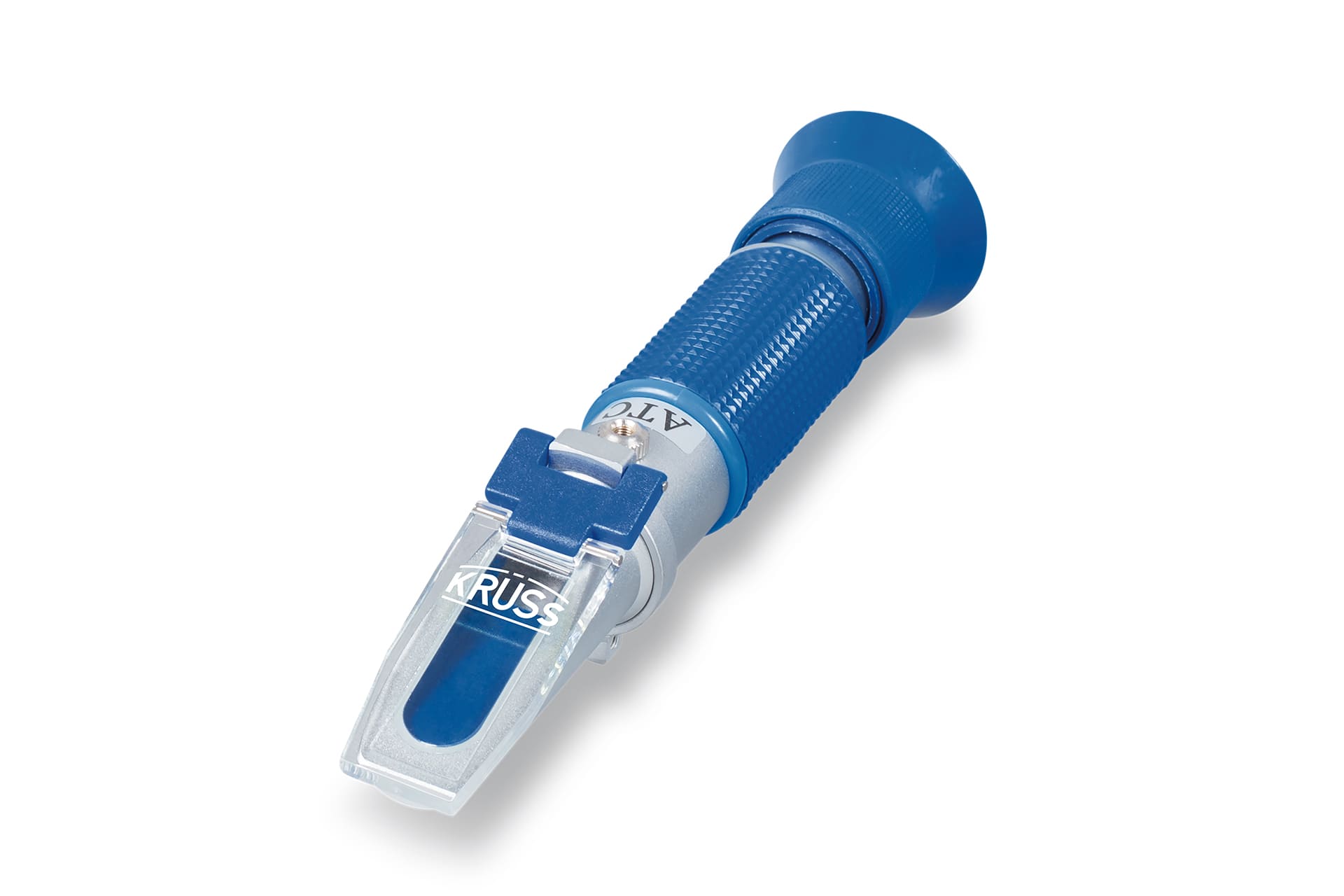
Handheld refractometers HRKFZ-T

Preis auf Anfrage

113,00 

excl. VAT

+ Shipping costs

Ab Lager lieferbar

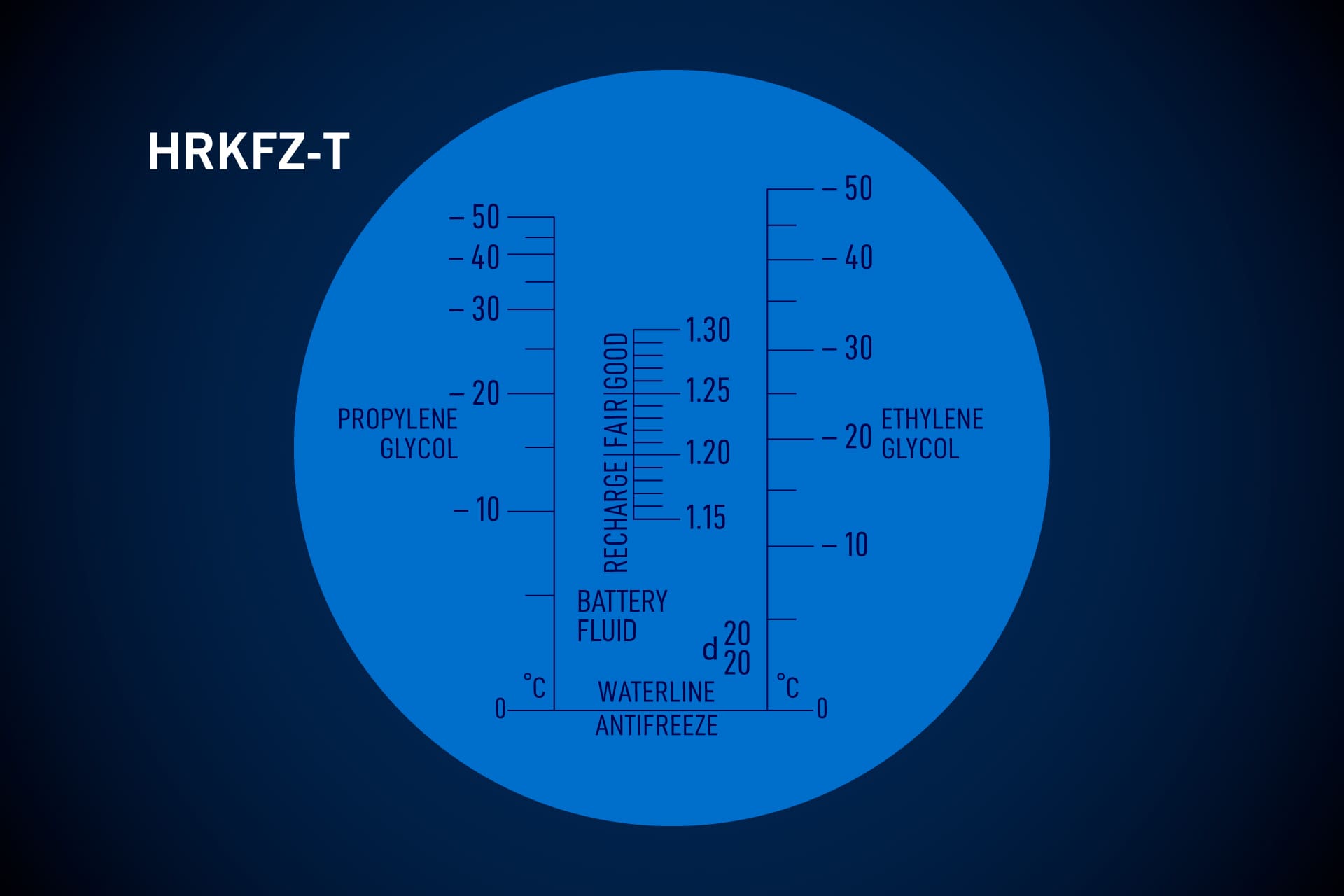
Scales: ethylene and propylene glycol (antifreeze), with ATC;
Measurement range: -50-0°C;
Density of battery acid

Availability: In stock

- +

Description Handheld refractometers HRKFZ-T model (with automatic temperature compensation – ATC)

  • Scales: ethylene and propylene glycol (antifreeze), measurement range: -50-0 °C, measurement accuracy: ±5 °C
  • Scales: Density of battery acid, measurement range: 1.15-1.30 g/cm³, measurement accuracy: ±0.01 g/cm³

Practice video

Calibrate handheld refractometers correctly

A handheld refractometer is an indispensable measurement device when precise values are required for water, sugar or salt content. Whether in food control, beverage production, beekeeping or in the laboratory – correct calibration is the basis for precise analyses and high measurement quality.

Regular calibration: Temperature changes, wear and tear or environmental influences can affect the accuracy of a handheld refractometer. Regular calibration detects such deviations at an early stage and ensures that the device continues to work precisely. A well-calibrated refractometer provides consistent results and prevents measurement errors that can be caused by external factors.

→ Watch the practical video for step-by-step instructions on how to calibrate a handheld refractometer correctly.

You are currently viewing a placeholder content from YouTube. To access the actual content, click the button below. Please note that doing so will share data with third-party providers.

More Information

Application example

HRKFZ-T for checking cooling lubricants

Handheld refractometers are also used to quickly determine concentrations in cooling lubricant emulsions. Here are a few examples:

  • Measurement of ethylene and propylene glycol
  • Conversion via a product-specific correction factor
  • Immediate control directly at the machine
  • Advantages: Protection against corrosion and bacteria formation; optimum lubricating and cooling effect; no laboratory analysis required

Find out more about samples and measured values? We have compiled an overview of measurement samples (refractive index) for your orientation. Most samples were measured at standard measurement conditions (20°C, λ = 589 nm).

Documents

Keine Dateien gefunden!

Calibration standards

Consumables

Accessories

Shopping Cart
Scroll to Top